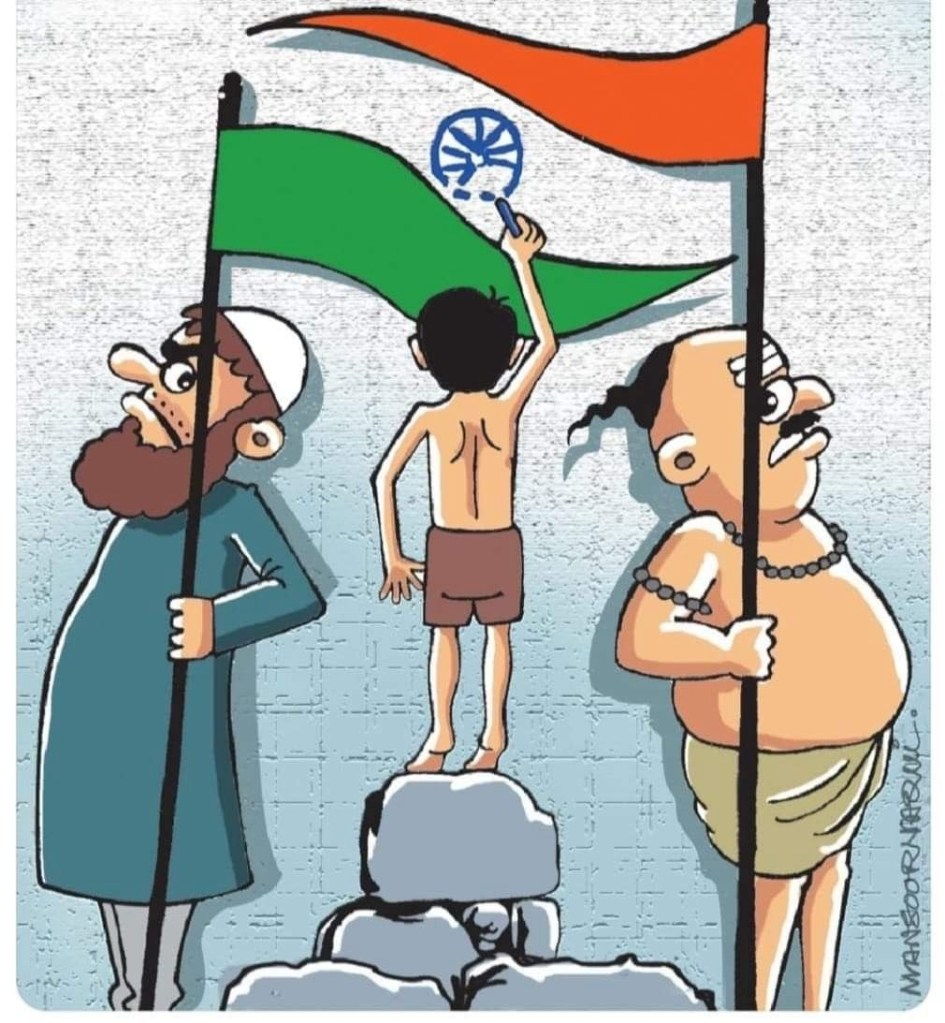
The first media outlet in India was the “India Gazette”, a newspaper published by James Augustus Hickey in Calcutta (now Kolkata) in 1780. This marked the beginning of print media in India, with the newspaper serving as a platform for news, views, and opinions. However, it was soon shut down by the British colonial government due to its critical stance. In 1835, the “Bombay Times” (now “The Times of India”) was founded, followed by other newspapers like the “Hindu” in 1878. Radio broadcasting was introduced in 1927, with the first broadcast made by the British colonial government. All India Radio (AIR) was established in 1936 as a public service broadcaster. Television broadcasting began in 1959 with the launch of Doordarshan, a government-owned broadcaster. The introduction of media in India marked the beginning of a new era in communication, information dissemination, and public discourse, paving the way for the diverse and vibrant media landscape we see today.
Evolution of INDIA MEDIA
Widespread and dynamic, the evolution of media in India has been shaped by technological advancements, changing societal values, and the country’s economic growth. From the first newspaper, “The India Gazette” in 1780, to the proliferation of digital media today, the Indian media landscape has undergone significant transformations. The print media dominated the 19th and early 20th centuries, with notable publications like “The Times of India” and “The Hindu” emerging. Radio broadcasting began in 1927, followed by television in 1959 with the launch of Doordarshan. The 1990s saw a surge in private channels and the advent of satellite television, revolutionizing entertainment and news dissemination. The internet and social media have further transformed the landscape, enabling instant access to information and facilitating citizen journalism. Today, India’s media ecosystem is characterized by its diversity, with numerous languages, platforms, and genres, catering to a vast and heterogeneous audience, and playing a vital role in shaping public opinion and influencing the country’s democratic processes.
Role of Media in Indian Politics
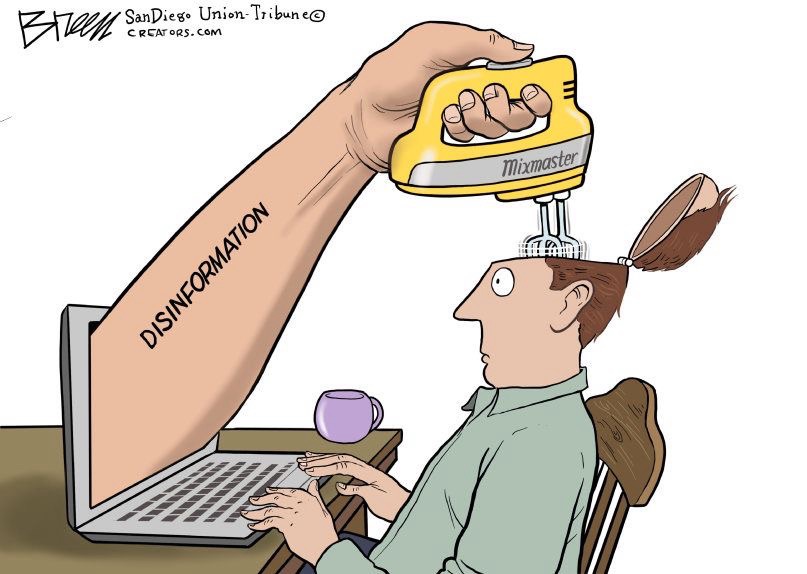
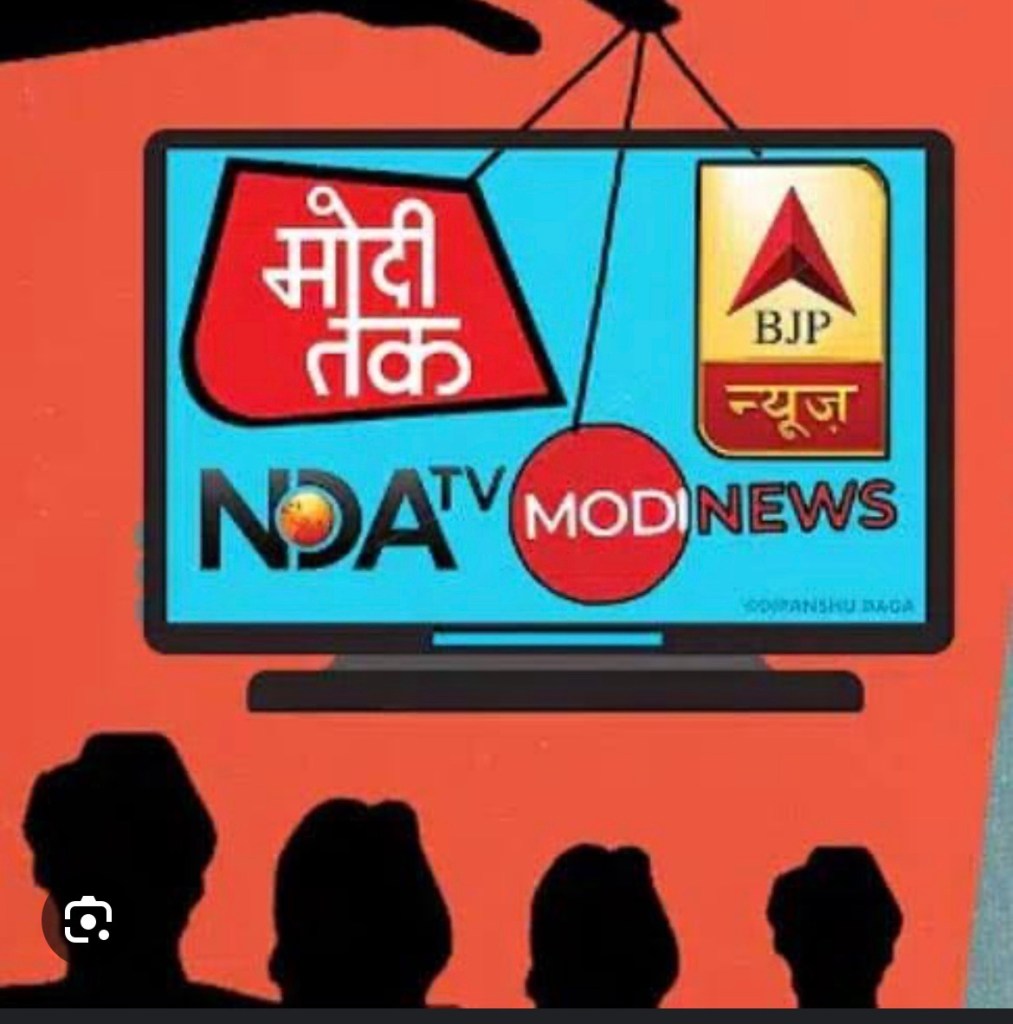
The Indian media plays a pivotal role in the country’s politics, serving as a watchdog, agenda-setter, and influencer. It scrutinizes government policies, exposes corruption, and holds leaders accountable, thereby fostering transparency and good governance. The media shapes public opinion, sways electoral outcomes, and provides a platform for diverse voices and perspectives. It informs and educates citizens, enabling them to make informed decisions and participate in the democratic process. Moreover, the media acts as a bridge between the government and the people, facilitating dialogue and debate on critical issues. However, the media’s role is not without challenges, as it navigates the complexities of political bias, censorship, and the blurring of lines between news and opinion. Nevertheless, a vibrant and independent media remains essential to India’s democratic fabric, promoting accountability, inclusivity, and the empowerment of citizens.
Conclusion
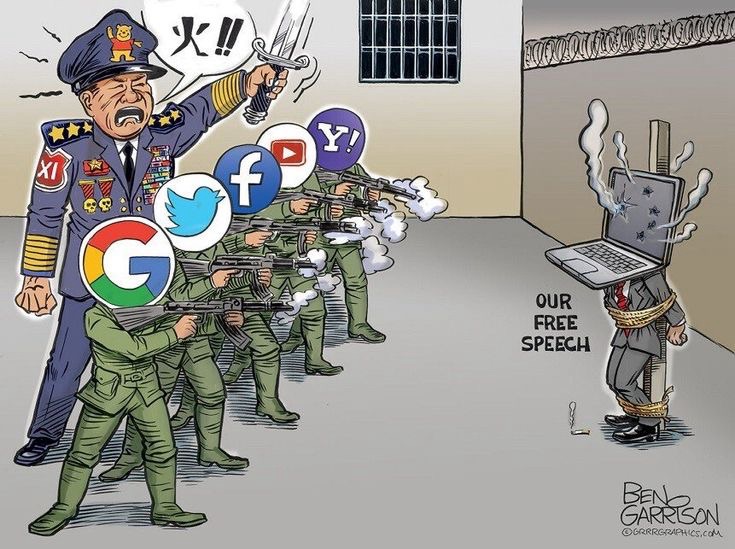
In conclusion, the dynamic relationship between Indian politics and media is a crucial aspect of the country’s democratic framework. While the media plays a vital role in holding politicians accountable, shaping public opinion, and influencing electoral outcomes, its independence and credibility are often challenged by political bias, censorship, and commercial pressures. To strengthen India’s democracy, it is imperative to promote a free, fair, and independent media that can facilitate informed public discourse, resist external pressures, and embrace transparency and accountability. By doing so, India can ensure a robust and responsible media ecosystem that empowers citizens with accurate information, promotes diverse perspectives, and ultimately serves as a cornerstone of a healthy and functioning democracy.
 Site Title